
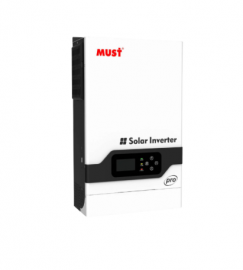
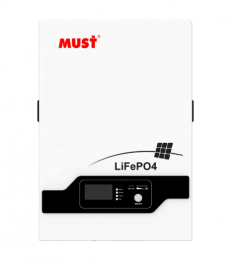
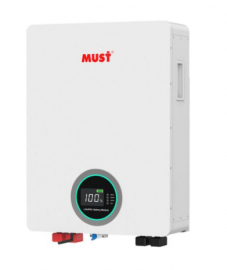
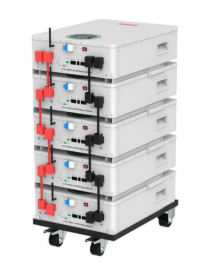
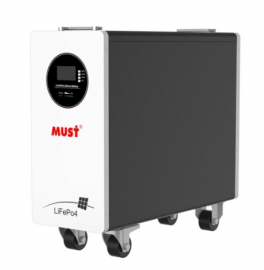
Lithium Iron Phosphate Battery (LFP / LiFePO4)
Lithium Iron Phosphate batteries, commonly known as LFP or LiFePO4, are one of the most important and fastest-growing types of lithium-ion batteries.
Due to their unique characteristics—especially in applications where safety, long lifespan, and thermal stability are critical—LiFePO4 batteries have gained significant popularity in the global energy storage market.
Below is a comprehensive overview of the definition, advantages, disadvantages, and applications of LiFePO4 batteries.
1. What Is a Lithium Iron Phosphate (LFP) Battery?
An LFP battery is a rechargeable lithium-ion battery that uses lithium iron phosphate (LiFePO4) as the cathode (positive electrode) material.
Compared to other lithium-ion chemistries such as NMC (Nickel Manganese Cobalt) or NCA (Nickel Cobalt Aluminum), LFP batteries have a different crystal structure that provides exceptional chemical and thermal stability.
2. Key Advantages of LiFePO4 Batteries
LiFePO4 batteries stand out in energy storage applications due to several major advantages:
a. Exceptional Safety
-
High thermal stability: One of the most significant advantages of LFP batteries is their superior thermal and chemical stability. They are far more resistant to overheating, overcharging, and short circuits.
-
Low risk of thermal runaway: Compared to cobalt-based lithium batteries, LiFePO4 batteries have a much lower risk of fire or explosion.
-
Cobalt-free chemistry: The absence of cobalt—an expensive and heat-sensitive material—greatly enhances safety and environmental sustainability.
b. Long Cycle Life
-
Extended lifespan: LiFePO4 batteries typically offer 3,000 to 8,000 charge–discharge cycles, significantly outperforming many other lithium-ion batteries.
-
Ideal for long-term use: This makes them an excellent choice for solar energy storage systems, backup power solutions, and commercial electric vehicles.
c. Lower Overall Cost
-
Abundant raw materials: Iron and phosphate are more affordable and widely available than cobalt and nickel.
-
Cost-effective energy storage: This results in lower production costs and reduced total cost of ownership over the battery’s lifetime.
d. High Charge and Discharge Rates
-
LiFePO4 batteries can support higher C-rates, enabling fast charging and high power output.
-
This makes them suitable for high-demand applications such as industrial equipment and heavy-duty electric vehicles.
3. Disadvantages of LFP Batteries
Despite their many benefits, LiFePO4 batteries have some limitations:
a. Lower Energy Density
-
Heavier and bulkier: LFP batteries have approximately 20–30% lower energy density compared to NMC or NCA batteries.
-
Practical impact: For the same amount of stored energy, an LFP battery will be larger and heavier. Therefore, in passenger electric vehicles where maximum driving range and weight reduction are critical, higher energy-density chemistries are often preferred.
b. Reduced Performance in Low Temperatures
-
While LiFePO4 batteries perform very well at high temperatures, their capacity and power output can decrease noticeably in sub-zero conditions.
-
However, this limitation can be largely mitigated through advanced Battery Management Systems (BMS) and thermal control solutions.
4. Common Applications of LiFePO4 Batteries
Thanks to their unique combination of safety, durability, and reliability, LiFePO4 batteries are widely used in the following applications:
-
Energy Storage Systems (ESS): Ideal for both grid-scale energy storage and residential or commercial solar energy systems, where safety and long lifespan are essential.
-
Commercial Electric Vehicles: Electric buses, trucks, and logistics vehicles benefit from LFP batteries due to their long service life and enhanced safety.
-
Industrial Equipment: Commonly used in electric forklifts, golf carts, and material handling equipment.
-
Starter and Backup Batteries: Increasingly used as a replacement for lead-acid batteries in UPS systems, backup power solutions, and specialized automotive starter applications.